
Garage or storage-area mouse signs
Review evidence, access and the boundaries of any exclusion proposal.
Rodent Control & ExclusionA newer home still deserves a careful assessment when pest signs appear. For pest control in Kellerton, share your 21702 address, the level where activity occurs and whether the garage, storage or living space is involved. We can then discuss the appropriate inspection.
Physical service address: 21702. Availability and scope confirmed when booking.
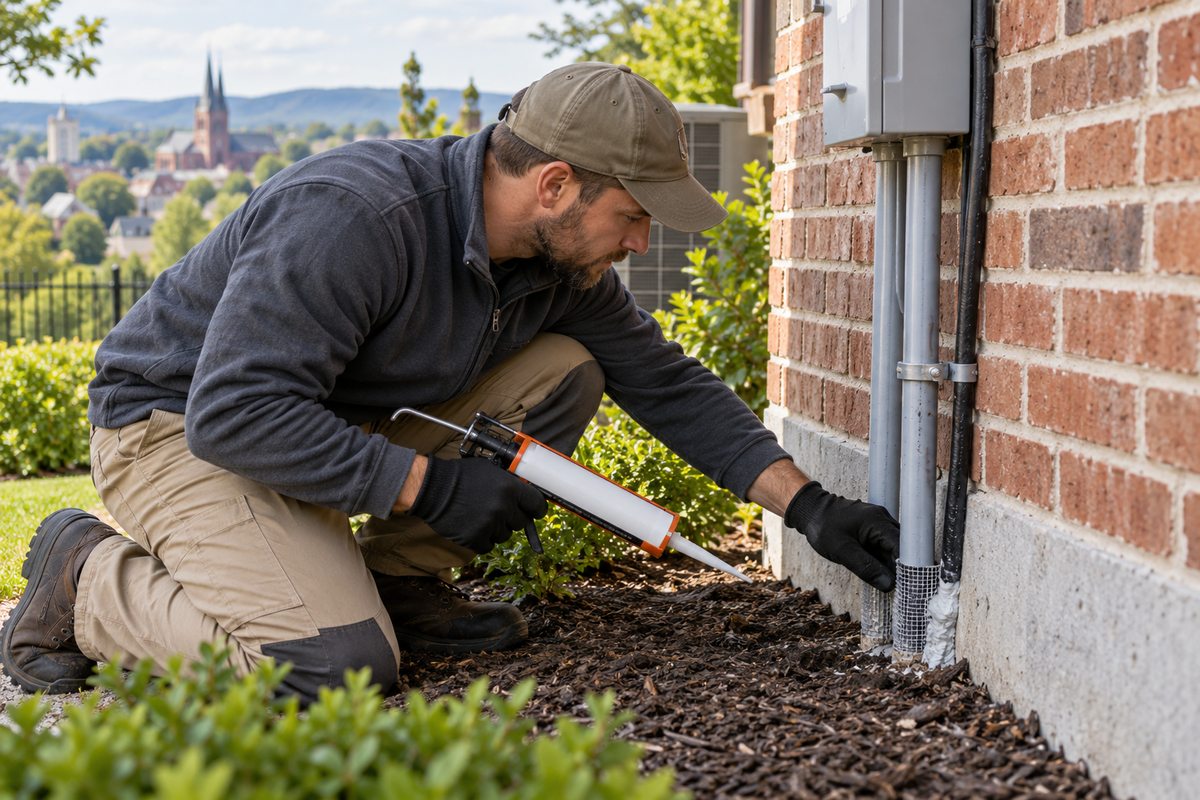
Keystone Custom Homes lists Kellerton townhomes in Frederick 21702, including multi-level layouts with garages. Those plans help explain useful access questions, but your actual layout—not the development’s marketing description—determines the inspection needs.
Do not assume nearby building work caused a sighting or that a newer property cannot have pests. Deliveries, storage, doors, moisture and accessible openings are questions to investigate, not a diagnosis. Record the first observation and anything that changed shortly beforehand.
Review evidence, access and the boundaries of any exclusion proposal.
Rodent Control & ExclusionIdentify the pest before assuming the origin or selecting an application.
General Pest ControlPreserve visible evidence and separate pest findings from repair or warranty decisions.
Termite ControlA mouse sign in a garage, an insect at an upstairs window and activity in a pantry may be unrelated. Identify the floor and exact location of each observation. Include whether it happened once or repeatedly, and whether you found damaged food packaging or other evidence.
For garage concerns, note door-edge gaps that are visible from a safe position and keep stored food or pet feed sealed. Do not dismantle door mechanisms or climb to inspect roof openings. Suspected waste needs appropriate cleanup precautions; avoid dry sweeping and vacuuming rodent droppings.
If an opening or moisture problem is identified, ask for it to be documented separately from pest treatment. A builder, property manager or repair contractor may need that information, but pest service does not decide whether a construction warranty applies.
Before a visit, make the agreed rooms and ordinary access points available without emptying the entire home. Share existing inspection or repair reports when relevant. Ask which monitoring observations would show progress and when the situation should be reviewed again.
For a Kellerton garage or utility-area concern, describe where evidence sits in relation to the door, stored belongings and service penetrations. A visible gap is a lead for inspection, not proof that rodents are using it. Likewise, noises alone do not establish whether the animal is a mouse, rat or something else.
CDC notes that mice can pass through an opening about one-quarter inch wide. That explains why small gaps can matter, but it does not mean every narrow opening should be filled. Building components may need ventilation, movement or drainage; choose the repair method with those functions in mind.
Ask for a distinction between confirmed entry evidence, suspected routes and unrelated defects. This avoids paying for broad sealing work without understanding which findings support it. If access requires dismantling a component, discuss permission and the right trade before work starts.
A floor plan can be more useful than clearing the garage in a hurry. Mark the original evidence and identify which stacks or cabinets block the adjacent wall. Ask what access is needed before moving potentially contaminated belongings through living areas.
List stored food sources such as pet supplies or bird seed separately from ordinary household boxes. Note damage to packaging without handling droppings or nesting material. Where contamination is suspected, request cleanup guidance appropriate to the situation rather than sweeping or vacuuming dry debris.
Explain whether the garage is routinely left open and whether the door closes unevenly. These are operational observations, not proof of the source. They allow the inspection to consider day-to-day access as well as physical defects.
After exclusion or a door repair, retain the written work description and photographs of the finished area. Ask how remaining indoor activity will be monitored and who will review it. A repaired opening does not, by itself, establish that animals already inside have been addressed.
If you are also contacting a builder or warranty provider, provide factual findings rather than an unsupported conclusion about defective construction. Keep the pest inspection, repair decision and warranty correspondence as separate records. That helps each party respond to the part of the problem they can assess.
The pest, location and repeated evidence matter more than the home’s age. Describe the observation so the next step can be discussed.
Pest findings and building warranty decisions are separate. Ask for documented observations, then take warranty questions to the responsible builder or provider.
Not automatically. Report the affected levels and ask how the proposed inspection and treatment areas were chosen.
No. The size may make it a possible route, but inspection should connect openings with actual evidence. Photograph the location and ask which findings support a rodent-control or exclusion recommendation.
Not automatically. Repairing access and assessing remaining activity are different tasks. Ask how the space will be checked afterward and what evidence would trigger another inspection.
Call with the physical address, observed signs and any access restrictions. Ask about current availability and the inspection or service that fits the concern.
Call (301) 264-9552See the 21702 coverage directory for address checks and other covered communities.
Match the inspection to a detached house, townhome or condominium.
View the local guide for WhittierDistinguish building entry concerns from private-yard exposure and shared grounds.
View the local guide for Clover HillCommunity sources establish location or property context, not pest prevalence, customer relationships or an endorsement.