
Signs near utilities, doors or storage
Discuss the connection between evidence, control and accessible entry points.
Rodent Control & ExclusionFor pest control in Kingsbrook, a clear service boundary is as important as a clear pest description. Call with the 21703 property address and explain whether the activity is inside your home, on a private exterior or in a shared space.
Physical service address: 21703. Availability and scope confirmed when booking.
Frederick County records identify Kingsbrook as a community in 21703 and document its community facilities. A shared facility is not automatically part of an individual household’s service request, and this website does not claim to manage it.
If insects appear along a fence, path or landscaped edge, describe whose space it is before discussing work. A simple sketch or photograph can help explain the boundary. Do not move equipment, apply products or arrange access on another owner’s land without authorization.
Discuss the connection between evidence, control and accessible entry points.
Rodent Control & ExclusionConfirm species and service suitability before any opening is closed.
Wildlife ControlRecord the route and affected rooms without assuming where the nest is.
Ant ControlFor repeated indoor activity, note where signs appear relative to doors, pipes and storage. A gap is worth discussing, but it does not prove which pest is using it. The assessment should connect observations with a suitable control or exclusion plan.
If noise suggests wildlife rather than mice, do not block the opening. Identification and lawful, species-appropriate handling matter before exclusion. Tell us about roof access, enclosed spaces and whether the activity is heard during the day or at night; sounds alone still do not establish the species.
A treatment visit may reveal a loose door seal, moisture source or damaged building component. Ask which work is included, which is recommended and which requires another contractor. Photos of accessible findings can help the responsible owner understand the next action.
Keep the service record alongside any repair information. At follow-up, distinguish continuing pest evidence from an unfinished access correction. The quote should also explain whether monitoring or another visit is included, rather than leaving that expectation to an informal conversation.
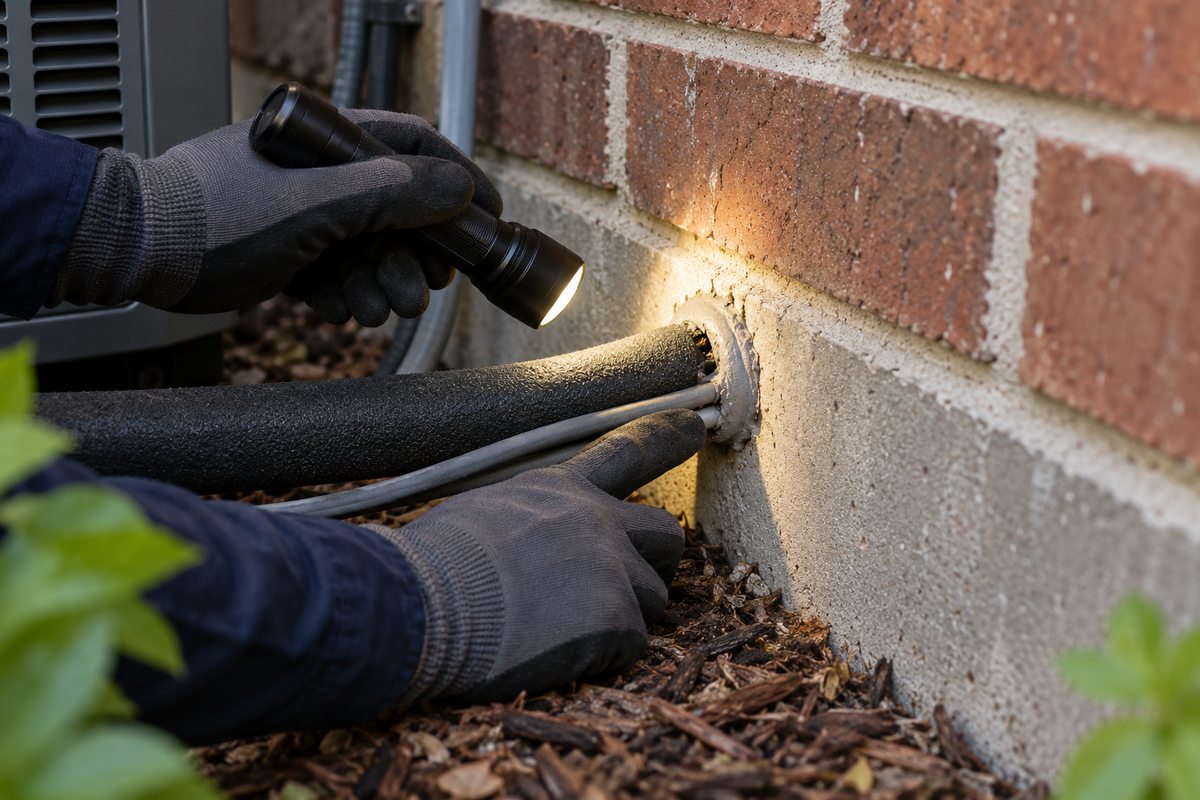
For a Kingsbrook entry-point enquiry, request a location-by-location explanation. A useful proposal distinguishes a door seal, pipe opening or damaged screen rather than describing everything as perimeter work. Each item should state the observed condition and the proposed next step.
EPA’s integrated pest management framework combines identification, monitoring, prevention and appropriate control. Applying that approach to an entry complaint means asking what evidence links a particular opening to the target pest. Sealing, trapping and pesticide application are different tools, not interchangeable descriptions of one service.
If a suspected route crosses a shared wall or common exterior, identify who can inspect it and who can approve alteration. An unanswered ownership question should be recorded before work is scheduled, not discovered when the contractor reaches a locked or restricted area.
A damp cabinet or damaged trim may prompt a pest inspection and a maintenance call. Ask which observations concern insects or rodents and which need a plumber, roofer or other building professional. Treating a pest does not repair a leak or establish that damaged material is structurally sound.
Create a small handoff record: the room, photographs, the finding, the recommended trade and the person coordinating access. Keep any quotation clear about who removes or reinstates building materials. Do not assume patching, decoration or contamination cleanup is included because exclusion was discussed.
For shared facilities, report the condition through the appropriate management channel. Your own photographs can explain the location, but do not enter restricted spaces or commission work on land you do not control. A coordinated inspection is more useful than overlapping, unconnected repair instructions.
Before accepting work, ask how finished repairs will be documented and whether a pest-activity review is included. A photograph may demonstrate that a gap was closed; monitoring answers a different question about what remains active. Keep both pieces of evidence if both tasks are part of the agreement.
Record unresolved locations as well as completed ones. If an upper opening cannot be reached safely during the first visit, it should not disappear from the discussion. Ask who will assess it, what access is needed and whether that changes the proposed scope or price.
Only with appropriate authorization and an agreed scope. A private homeowner’s enquiry does not cover community facilities or common grounds automatically.
Ask for the quotation to specify it. Inspection, control, exclusion, cleanup and building repairs may be separate tasks.
Share that report as context, but avoid assuming the source. Each property requires access permission, and coordinated inspection may need an owner or manager to arrange it.
No. Ask for the exact repairs included and any referrals or exclusions. Pest management, plumbing, structural assessment, reinstatement and cleanup may require separate arrangements.
Request a location-based completion record, ideally with accessible before-and-after photographs. Then confirm any separate monitoring or follow-up arrangements; closed openings and absence of ongoing pest evidence are different findings.
Call with the physical address, observed signs and any access restrictions. Ask about current availability and the inspection or service that fits the concern.
Call (301) 264-9552See the 21703 coverage directory for address checks and other covered communities.
Choose the right service across the wider Ballenger Creek area.
View the local guide for Ballenger CreekCreate an actionable rental-unit report without blaming neighboring occupants.
View the local guide for Wellington TraceConnect indoor observations with authorized exterior inspection in attached or detached homes.
View the local guide for Ballenger RunCommunity sources establish location or property context, not pest prevalence, customer relationships or an endorsement.